“Russia poses a strategic threat in the Arctic, the Baltic Sea region and elsewhere in Europe. The activity of the shadow fleet along the Northern Sea Route is also on the rise. This fuels Russia’s war machine and poses a serious environmental threat in an already vulnerable region,” Michal said.
According to the Prime Minister, the outcome of Russia’s war of aggression in Ukraine will also directly shape the future of the Arctic.
“If Russia fails in Ukraine, it will be good news for the Arctic. Russia must be forced to engage in serious negotiations, and this requires pressure – tougher sanctions, greater isolation and even more support for Ukraine ahead of winter.”
Michal emphasised that security, the economy and climate change are closely intertwined in the Arctic. New trade routes and access to natural resources are intensifying competition and increasing risks, including risks to critical infrastructure.
“It is in the European Union’s direct interest to ensure that security in the Arctic is safeguarded and that the region develops sustainably. We welcome the renewal of the European Union’s Arctic policy. Together with NATO and our Arctic partners, we must preserve an international rules-based order in the Arctic and prevent the region’s environmental and security situation from deteriorating,” the Prime Minister said.
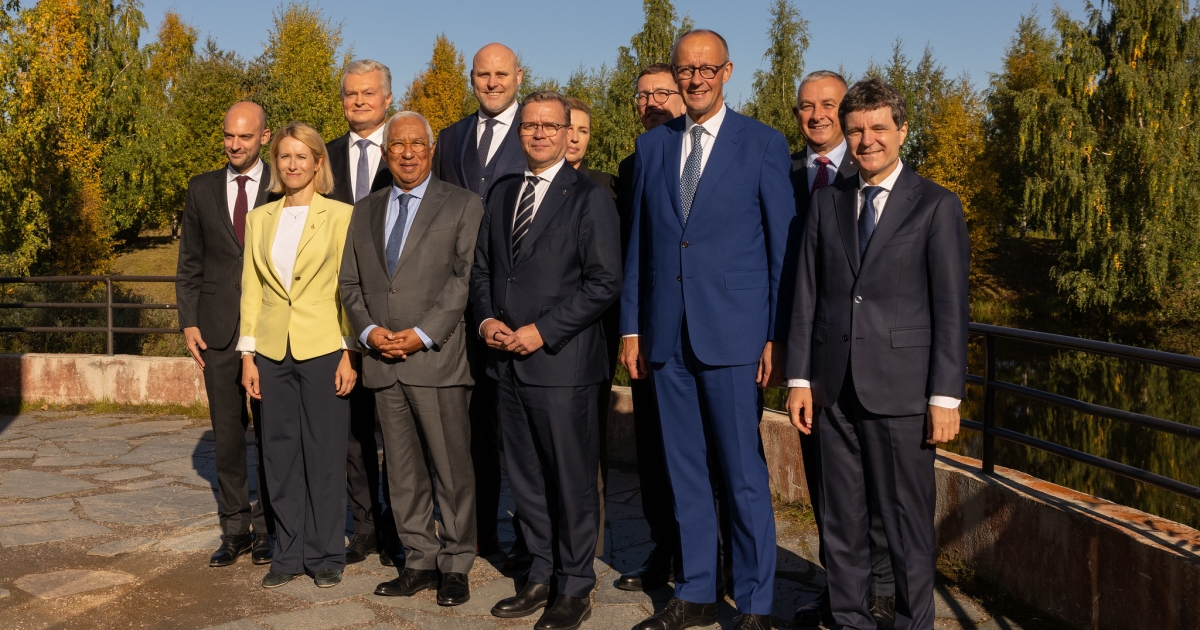
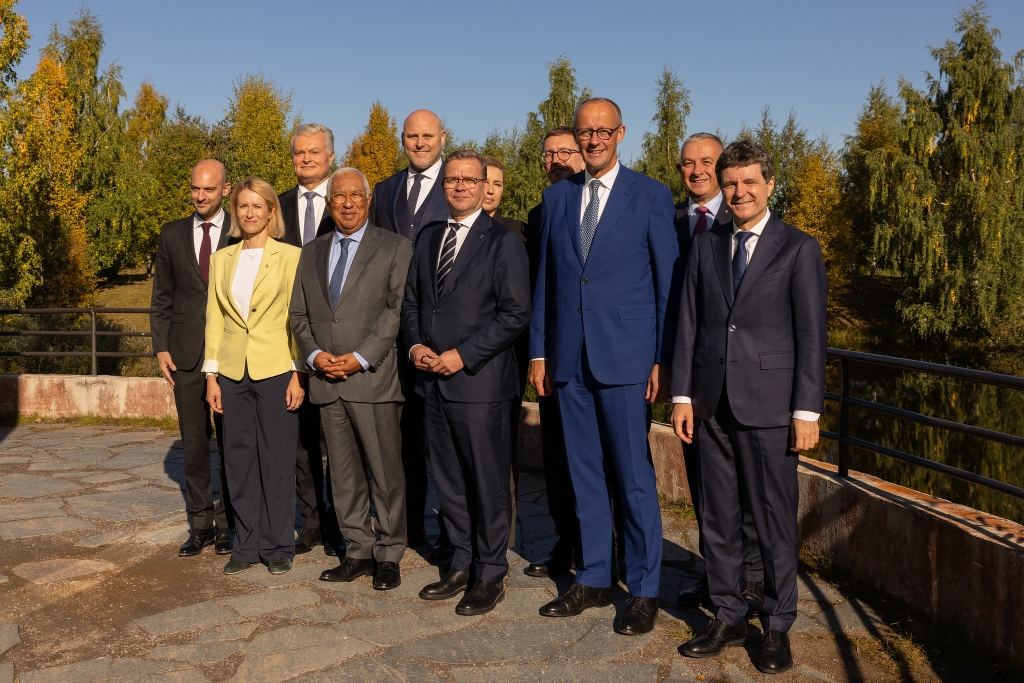
In their joint statement adopted at the summit, the leaders of Estonia, Finland, Denmark, Latvia, Lithuania, Germany, France, Romania, Poland, Sweden, the Netherlands and Greece called on the European Union to take a more strategic and active role in the Arctic. Particular emphasis was placed on transport and digital connectivity, satellite technologies, the protection of critical infrastructure and the capacity to respond to hybrid threats.
Joint Statement of the European Arctic Summit: European Arctic Summit 2026 Statement
Photos: https://flic.kr/s/aHBqjD4JpA