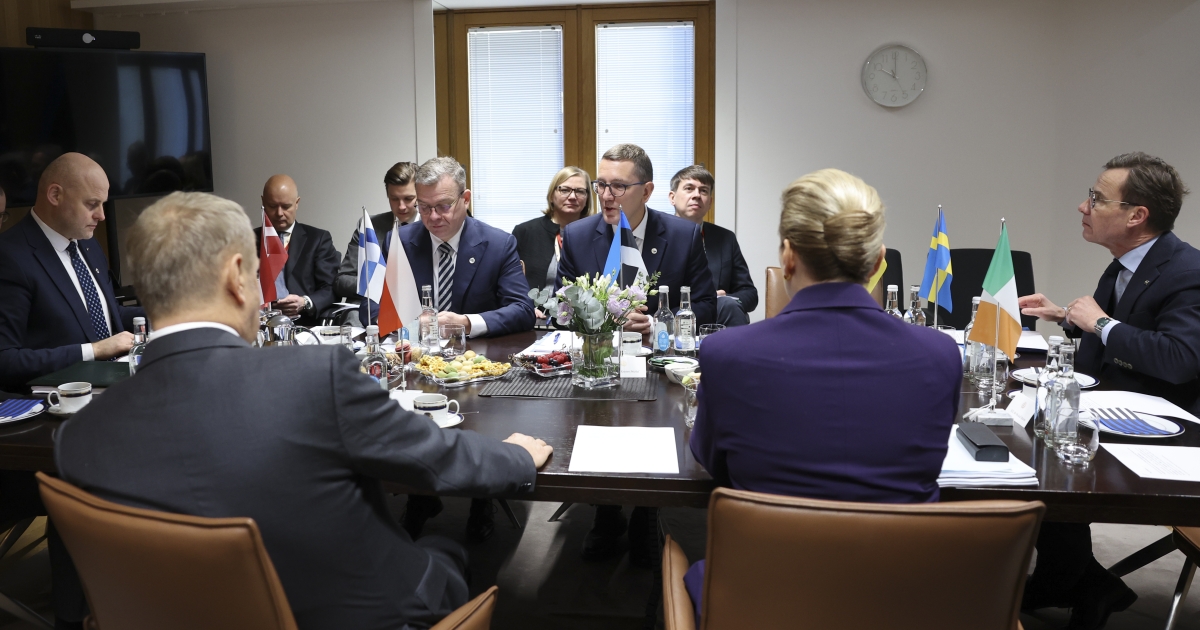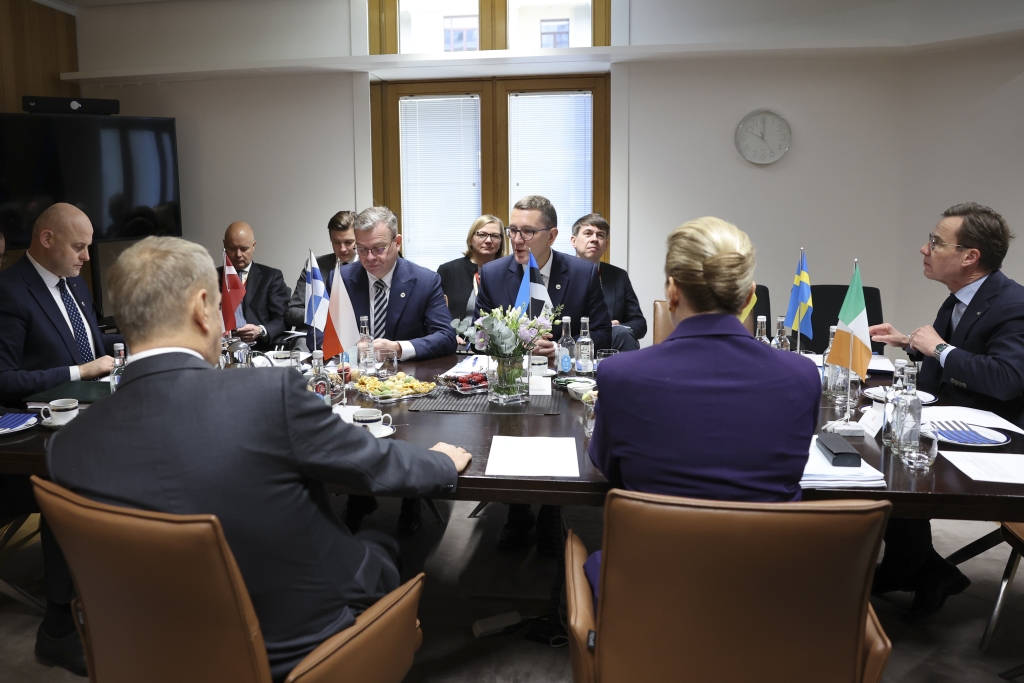
"The proposed budget for the Connecting Europe Facility remains unchanged from the previous proposal. We apply for funding from the facility to build Rail Baltica. Together with the other Baltic states, we want a dedicated allocation for this strategically important project and for the EU budget to cover 85 per cent of construction costs," Prime Minister Kristen Michal said at the special European Council meeting.
For the first time, the current proposal recognises that areas bordering Russia and Belarus face particular security and economic pressures. "This is an important step forward. The war is placing a greater strain on the security and economies of countries on the EU’s eastern border. They need additional funding to deal with those pressures," Michal said.
The size of the budget and how to fund it remained unresolved after the talks chaired by European Council President António Costa. The current proposal is 10 per cent, or €204 billion, smaller than the European Commission’s original plan. Estonia opposes further cuts, particularly those that would come at the expense of security.
Heads of state and government will continue talks in the coming weeks. The European Council will meet again on 17–18 December. Estonia supports the goal of reaching an agreement by the end of the year.
The European Council also discussed funding for Ukraine next year. Estonia supports the European Commission’s proposal to provide Ukraine with a joint loan of up to €45 billion in 2027. The loan would give Ukraine the certainty it needs to defend itself and keep essential services running.
"Europe will help Ukraine through this winter and stand by the country for as long as it takes. To deliver on that commitment, we must quickly agree on support for Ukraine in 2027," Michal said.
Before the special European Council meeting, Prime Minister Michal hosted a meeting of the Nordic and Baltic countries and Poland. Michal said Russia was stepping up its attacks in Europe to draw attention away from Ukraine and weaken support for it. The countries agreed on the need to continue supporting Ukraine and increase pressure on Russia. To that end, the EU must quickly adopt new sanctions, enforce tighter restrictions on Russian citizens entering the Schengen area and continue to isolate Russia internationally.
Photos: https://www.flickr.com/photos/stenbockimaja/albums/72177720337041240/
Read more about the special European Council: https://www.consilium.europa.eu/en/meetings/european-council/2026/11/26-27/